
What We Believe
At Saint Dunstan’s, we seek to follow the way of Jesus Christ. In his life, death, and resurrection we encounter God’s love poured out for the world.
We believe that God loves you. No exceptions.
As part of the Episcopal Church, we are shaped by a tradition that values scripture, prayer, and thoughtful faith. We are also committed to being a community where all people are welcomed and where leadership is shared by clergy and laypeople alike.
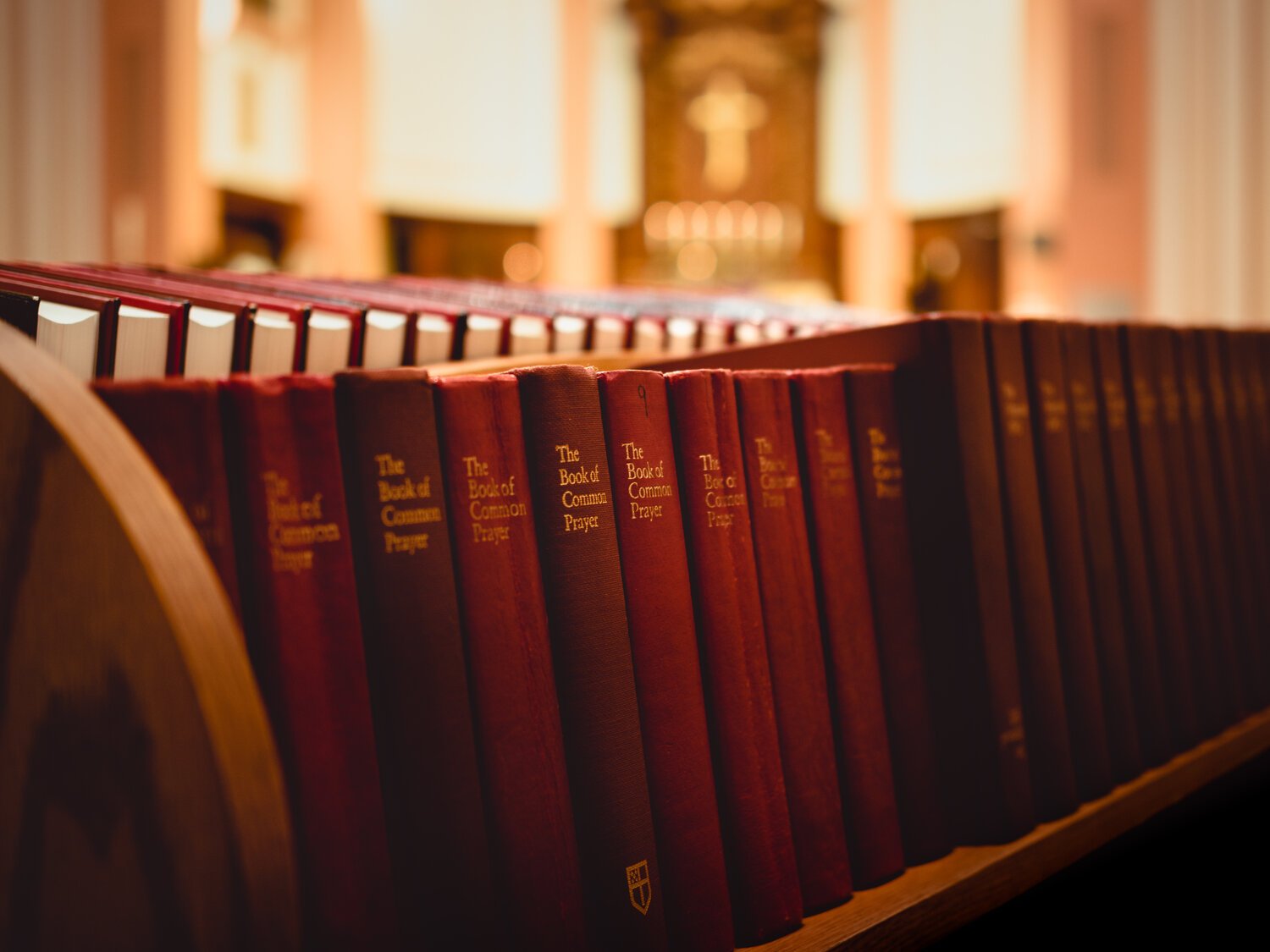
Book of Common Prayer
“It is a most invaluable part of that blessed ‘liberty wherewith Christ hath made us free,’ that in his worship different forms and usages may without offense be allowed, provided the substance of the Faith be kept entire.”
— Book of Common Prayer, p. 9
The Book of Common Prayer is one of the great treasures of the Episcopal Church. It is filled with prayers, liturgies, and resources that guide both personal devotion and our life together in worship.
It is also a sign of our unity. Episcopalians come from many backgrounds and bring many perspectives, but we are gathered together in Christ through our shared prayer and common worship.

The Bible
“Blessed Lord, who caused all holy Scriptures to be written for our learning: Grant us so to hear them, read, mark, learn, and inwardly digest them” (Book of Common Prayer, p. 236).
The Bible is our foundation, understood through tradition and reason, containing all things necessary for salvation. Our worship is filled with Scripture from beginning to end. Approximately 70% of the Book of Common Prayer comes directly from the Bible.
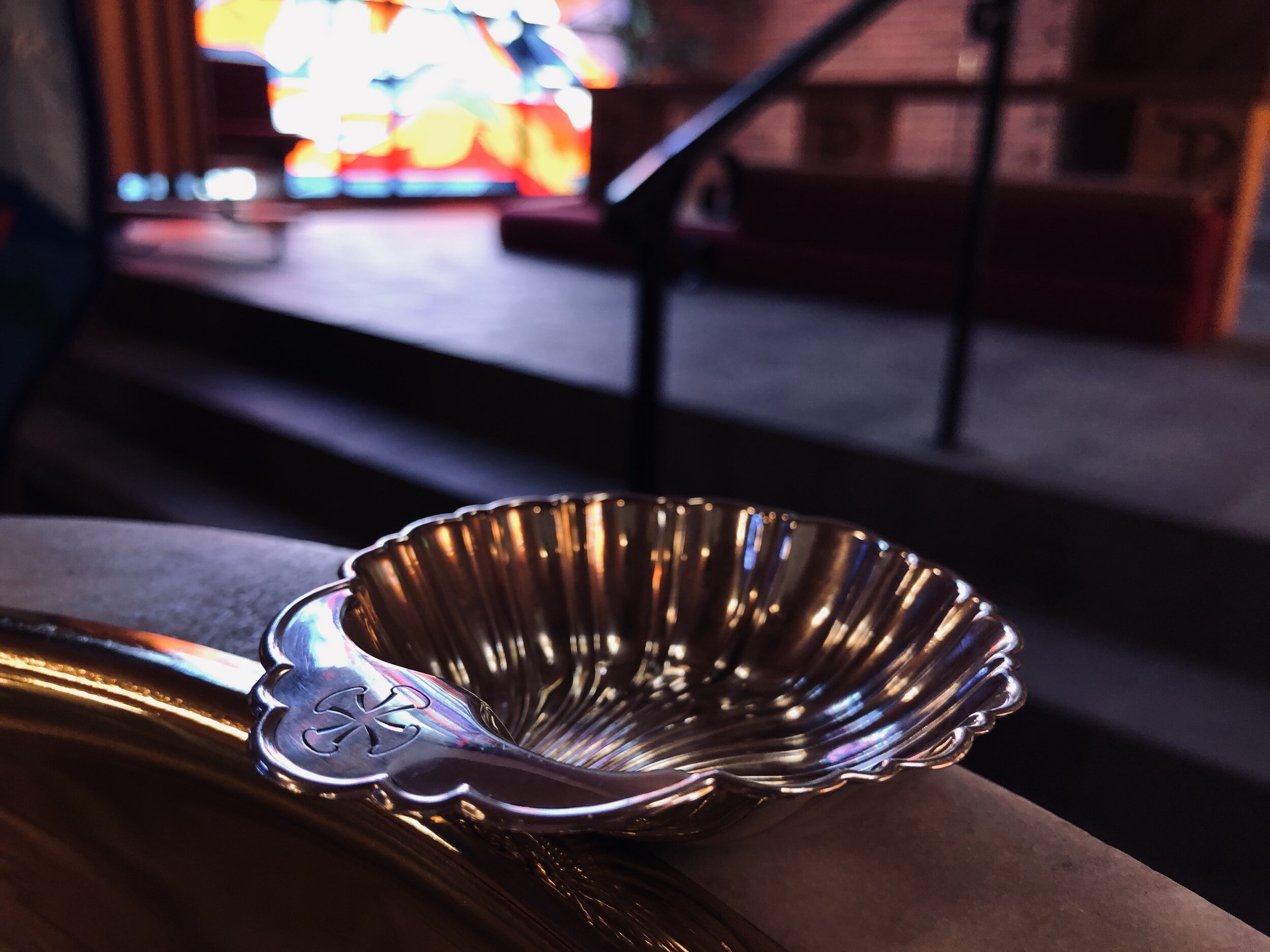
Baptismal Covenant
“Do you reaffirm your renunciation of evil and renew your commitment to Jesus Christ?”
— Book of Common Prayer, p. 292
The Baptismal Covenant is a central expression of our faith in the Episcopal Church. It begins with the Apostles’ Creed and continues with a series of promises about how we seek to live as followers of Jesus.
These promises remind us that faith is not only something we believe, but something we practice. In the Baptismal Covenant we commit ourselves to seeking and serving Christ in all people, striving for justice and peace, and respecting the dignity of every human being.

The Catechism
Found in the back of the Book of Common Prayer, the Catechism presents the foundational teachings of the Christian faith in a simple question-and-answer format. It offers a clear introduction to what Christians believe and how those beliefs shape the way we live.
Often used for learning and reflection, the Catechism helps both individuals and communities grow in understanding as they explore the basics of the Christian faith together.

The Creeds
“The Creeds are statements of our basic beliefs about God.”
— Book of Common Prayer, p. 851
The Episcopal Church shares two historic statements of faith: the Apostles’ Creed and the Nicene Creed. The Apostles’ Creed is closely connected with baptism, while the Nicene Creed is said together during Holy Communion.
When we speak these creeds, we join Christians across centuries and around the world in affirming our faith in the one God who created us, redeemed us, and continues to guide and sustain us through the Holy Spirit.
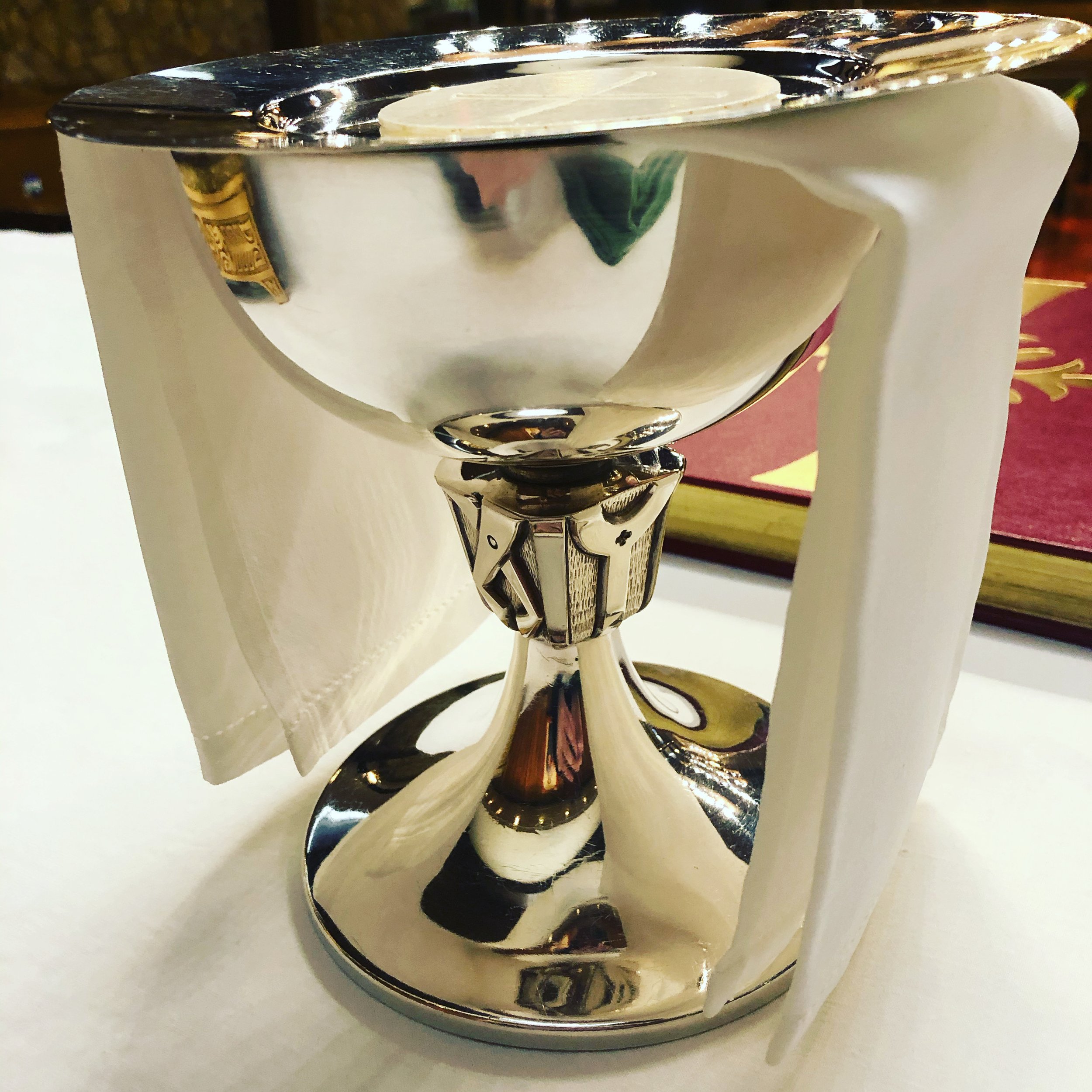
The Sacraments
“Sacraments are outward and visible signs of inward and spiritual grace.”
— Book of Common Prayer, p. 857
In the Episcopal Church, two sacraments stand at the heart of our life together: Baptism and Holy Communion. Through these sacred acts we experience God’s grace in tangible ways.
The church also recognizes several other sacramental rites that mark important moments in the life of faith. Found in the Book of Common Prayer, these include:
Confirmation – the adult affirmation of our baptismal vows
Reconciliation of a Penitent – private confession and the assurance of forgiveness
Matrimony – Christian marriage
Orders – ordination to the ministries of deacon, priest, or bishop
Unction – anointing with oil for those who are sick or nearing the end of life
Together these rites help shape and guide the journey of faith within the life of the Church.